

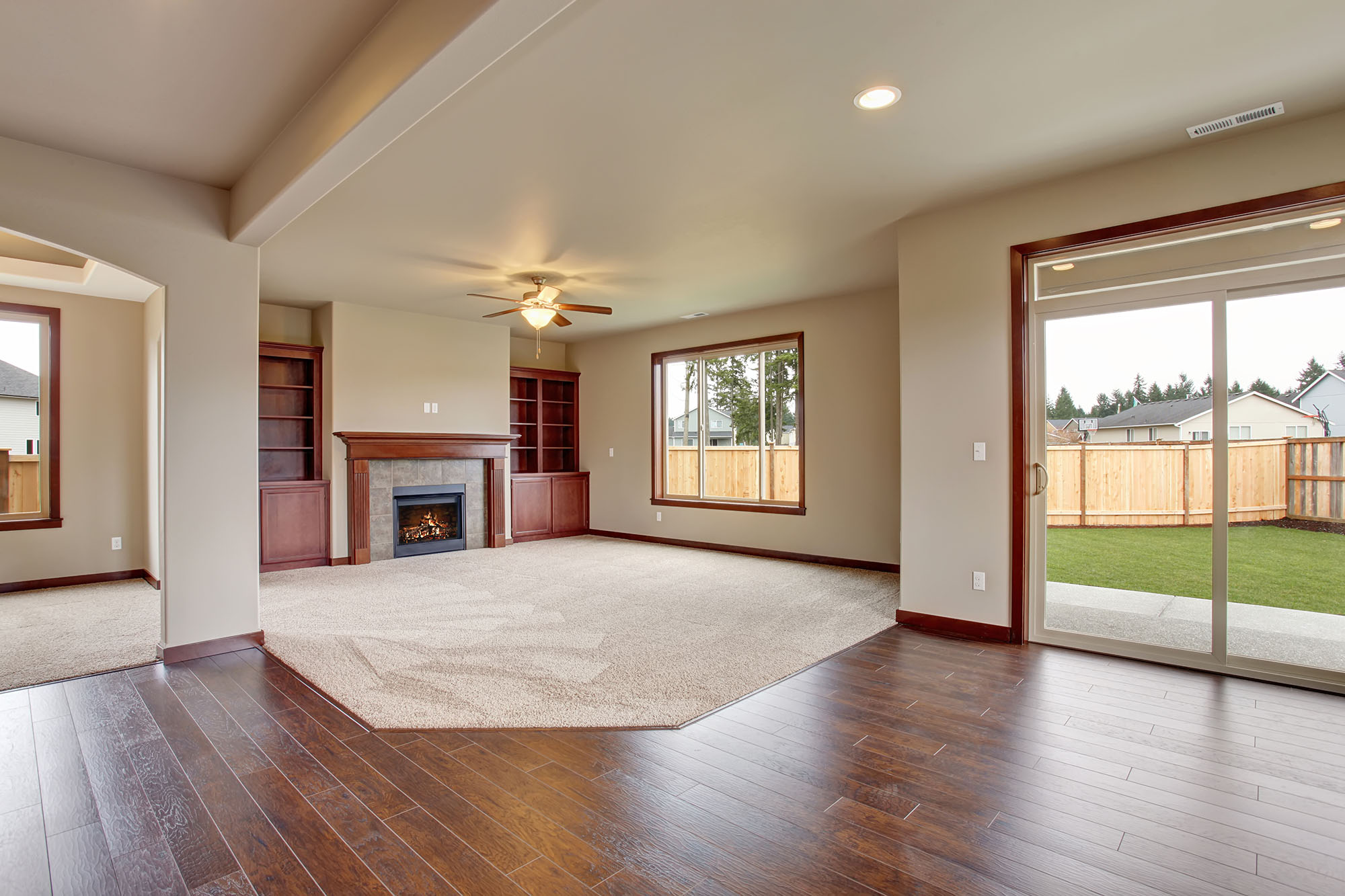
Hardwood flooring remains one of the most desired features for home buyers in Houston County. Its natural warmth, rich grain patterns, and long-lasting beauty elevate any interior. However, when choosing hardwood for a home in Warner Robins, you must decide between solid hardwood and engineered hardwood. Understanding how each construction type handles local climate conditions and subfloors helps you choose the right product for your project.
The Appeal of Real Wood in Houston County Homes
Real wood brings character to a home that synthetic options try to imitate. Every plank features unique graining, subtle shade variations, and natural warmth underfoot. Whether your decor leans toward traditional Southern charm or contemporary design, hardwood creates a timeless foundation that adds real value to your property.
Solid Hardwood: Classic Beauty with Specific Requirements
Solid hardwood planks are milled from a single piece of solid timber, typically 3/4-inch thick. Oak, hickory, maple, and walnut are common wood species used in solid flooring.
Because solid wood is natural timber throughout, it can be sanded and refinished multiple times over its lifespan. This gives solid hardwood incredible longevity—often lasting a century or more with proper care. However, because the entire plank is organic wood fiber, solid hardwood expands and contracts significantly in response to changes in surrounding heat and moisture.
Engineered Hardwood: Built for Humidity and Slab Foundations
Engineered hardwood consists of a real hardwood top veneer (called the wear layer) bonded over multiple cross-grained layers of high-density plywood or core materials. This cross-ply construction locks the core in place, preventing individual layers from moving freely.
As a result, engineered hardwood is structurally stable. It resists warping, cupping, and gapping caused by humidity fluctuations, giving you the authentic appearance of real hardwood with improved moisture resistance.
Comparing Moisture Performance in Middle Georgia
Humidity is a major factor when choosing building materials in Middle Georgia. Summers in Warner Robins bring heavy, moisture-laden air that causes solid wood planks to absorb water, swell, and potentially press against neighboring boards (cupping). In winter, dry indoor heating causes solid planks to release moisture and shrink, leaving visible gaps between boards.
Engineered hardwood’s layered construction minimizes this seasonal expansion and contraction. It performs reliably in environments where solid hardwood struggles, including ground-level rooms, basements, and homes built on concrete slab foundations.
Slab Foundations vs. Crawl Spaces in Warner Robins
Many homes in Warner Robins are built directly on concrete slabs. Solid hardwood cannot be installed directly onto concrete without building an extensive subfloor system, as moisture from the slab can damage solid wood.
Engineered hardwood, on the other hand, can be glued directly to concrete slabs or floated with a quality moisture barrier underlayment. If your home has a traditional raised crawl space, solid hardwood remains a viable option, provided the crawl space is properly encapsulated or ventilated.
Longevity, Maintenance, and Resale Value
Both solid and engineered hardwood offer strong return on investment and boost home appeal. Solid hardwood holds an edge in sheer lifespan because it can be refinished several times. High-quality engineered hardwood with a thick wear layer can also be refinished one to two times, offering decades of beauty while providing superior moisture resistance.
Selecting the right hardwood depends on your home’s subfloor, budget, and location within your floor plan.


