

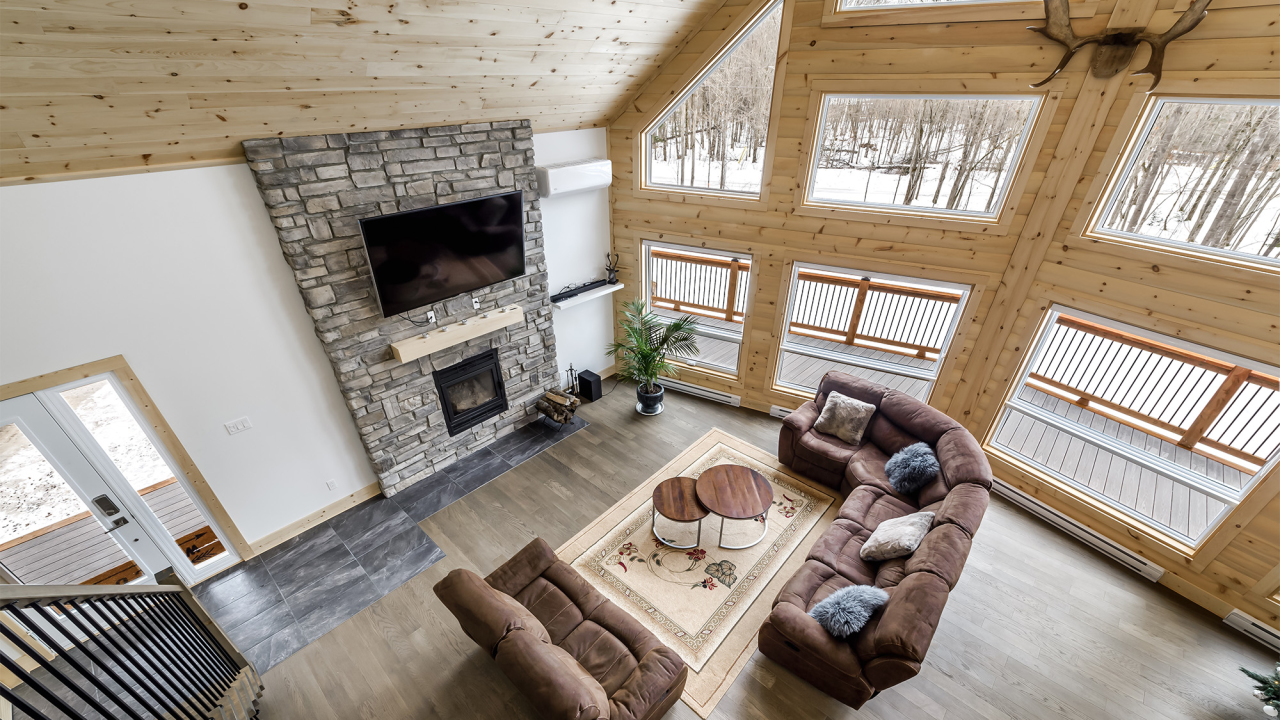
For years, home renovators viewed laminate flooring with a touch of hesitation, particularly in areas prone to damp weather, muggy summers, or sticky indoor air. Early generations of laminate were notorious for swelling, cupping, or lifting at the seams when exposed to elevated moisture. Fortunately, manufacturing technology has evolved dramatically. Today’s high-performance laminate materials offer remarkable resistance to ambient moisture, making them a practical choice for almost any climate. Understanding how humidity interacts with laminate—and how to select the right product—is key to achieving a floor that remains stable and smooth for decades.
Understanding How Moisture Affects Laminate
At its core, standard laminate is built around a High-Density Fiberboard (HDF) core. Because HDF is composed of compressed wood fibers bound with resins, it naturally reacts to changes in environmental moisture. When air humidity spikes, those wood fibers absorb airborne water vapor and expand. Conversely, when the air dries out, the fibers release moisture and contract.
When humidity levels fluctuate wildly inside a home, this expansion and contraction cycle puts immense pressure on the floor's locking mechanisms. If boards expand too far without adequate breathing room, they push against walls and adjacent planks, leading to raised edges known as "peaking" or complete bucking across the room.
Key Features of Modern Waterproof Laminate
To combat humidity issues, flooring manufacturers developed water-repellent technologies that protect laminate from the inside out. When shopping for moisture-heavy environments, look specifically for these structural features:
Hydrophobic Resin Cores: Modern HDF cores are infused with specialized water-repellent resins that significantly reduce the rate of moisture absorption.
Tight Locking Joints: Beveled, precision-milled click-lock edges snap together tightly to block water vapor and liquid spills from seeping into the core seams.
Edge Sealant Coatings: Premium laminate lines apply wax or hydrophobic sealants directly to the plank edges, adding an invisible barrier against moisture intrusion.
These innovations mean you no longer have to sacrifice the rich aesthetic of realistic wood textures simply because your living space experiences seasonal humidity shifts.
Crucial Installation Practices for Humid Climates
Even the most advanced laminate requires proper installation techniques to withstand fluctuating humidity. Skipping preparation steps is the leading cause of floor failure in humid regions.
First, acclimation is non-negotiable. Planks must sit flat in their unopened packages inside the target room for at least 48 hours prior to installation. This allows the material to adjust to the room’s baseline temperature and humidity. Second, always install an appropriate vapor barrier—typically a 6-mil polyethylene sheet over concrete subfloors—to prevent ground moisture from rising into the plank undersides. Finally, maintain a strict 3/8-inch expansion gap along all walls, doorways, and vertical obstructions. Concealed beneath baseboards or quarter-round moulding, this gap gives your floor room to breathe naturally as seasons change.
Maintaining Indoor Climate Balance
While modern laminate is remarkably durable, maintaining a steady indoor environment protects your investment over the long haul. Ideal indoor relative humidity ranges between 35% and 55%. Running a home HVAC system, using dehumidifiers during peak muggy seasons, and wiping up standing spills promptly will keep your laminate looking pristine. Avoid using steam mops, as forced steam forces moisture deep into microscopic seams, bypassing even the best protective coatings.
With the right core construction, careful installation, and simple routine care, laminate provides a resilient, cost-effective, and visually stunning surface that stays flat and beautiful through every season.


