

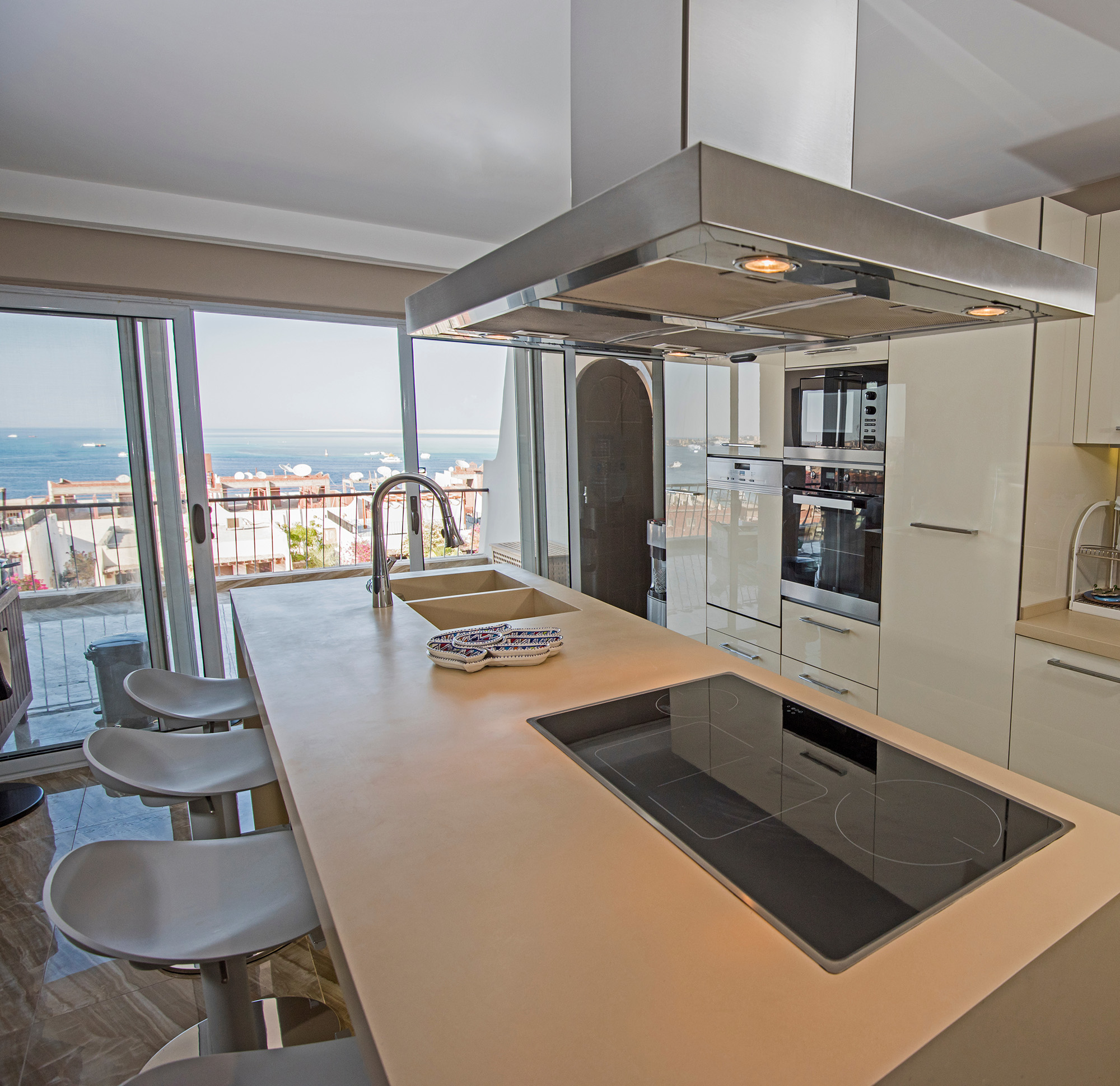
The kitchen serves as the energetic heart of the modern home, handling everything from dropped cast-iron skillets to spilled glasses of red wine. When planning a kitchen renovation, tile is naturally a top choice due to its durability and cleanliness. However, many homeowners quickly find themselves stuck trying to decipher the practical differences between porcelain and ceramic tile. While they look remarkably similar on the surface and belong to the same product family, choosing the right one requires looking closely at how they are made.
The Scientific Shift in Density and Baking
Both ceramic and porcelain tiles are crafted from mixtures of natural clay and kiln-fired at extreme temperatures. The primary distinction lies in the refinement of the clay and the intensity of the heat. Porcelain is made from highly refined, dense porcelain clays and fired at significantly hotter temperatures for longer periods. This intense manufacturing process renders porcelain practically completely non-porous and incredibly hard. Standard ceramic tile uses broader clay mixtures and lower firing temperatures, resulting in a slightly softer, more malleable tile body.
Evaluating the Realities of Kitchen Performance
In a busy kitchen layout, these material differences translate directly into how your floor holds up over time. Because porcelain is dense and uniform throughout the entire thickness of the tile, it offers elite resistance to heavy foot traffic, moisture penetration, and chips. If a heavy pot chips a porcelain tile, the color underneath matches the surface perfectly. Ceramic tile, while slightly more prone to chipping under extreme impacts, is much easier to cut and install. It provides a comfortable, budget-friendly option that performs wonderfully on kitchen walls, backsplashes, and moderate-traffic floor areas.
Finding Your Perfect Style Match
From a design perspective, both options provide boundless opportunities. Whether you dream of a sleek, large-format contemporary look or an intricate, Mediterranean-inspired pattern, both ceramic and porcelain can achieve it. Working with experienced design consultants can help you balance your aesthetic goals, budget constraints, and the specific physical demands of your household layout to ensure you pick the material that functions as beautifully as it looks.
Selecting the proper kitchen tile requires a careful balance of aesthetic taste, physical durability, and smart project budgeting. By understanding how porcelain and ceramic handle daily wear, you can confidently invest in a space that shines for years.
Ready to see how these stunning styles look in your own home?
Contact the team at Wellston Decorating Center today to schedule your free estimate and bring your design vision to life.


