

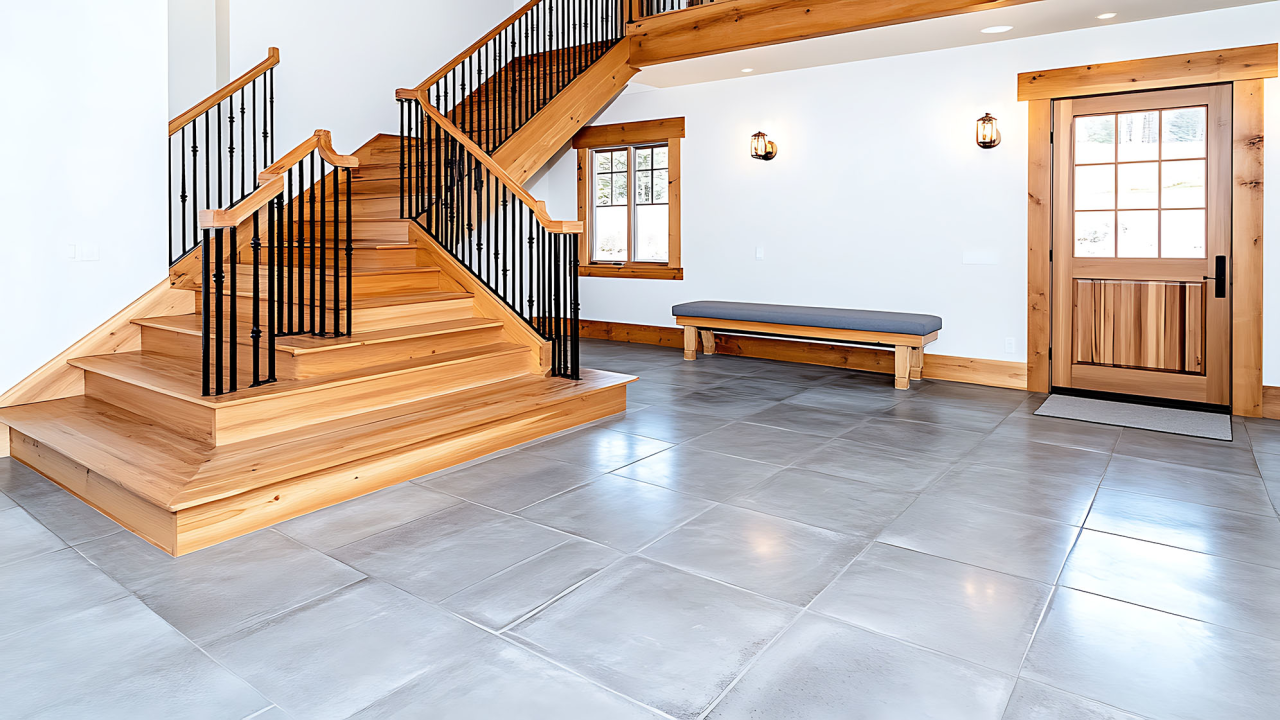
Tile floors are renowned for their extraordinary durability and resistance to wear. Whether installed in busy entryways, moisture-prone bathrooms, or high-traffic kitchens, quality tile can last a lifetime. However, keeping a tile floor looking pristine requires attention to both the hard tile surface and the porous grout lines surrounding each piece. Establishing a straightforward maintenance routine prevents deep staining, keeps grout lines bright, and preserves your flooring investment for decades.
Routine Cleaning Methods That Protect Your Surface
The secret to long-lasting tile beauty lies in regular, non-abrasive cleaning. Everyday dirt, grit, and sand act like sandpaper under foot traffic, creating tiny scratches that dull tile glazes over time.
Begin by sweeping or vacuuming floors at least twice a week using a soft-brush attachment. Once loose debris is removed, damp-mop the floor using warm water and a neutral pH floor cleaner. Avoid using harsh chemical cleaners, bleach, or ammonia-based formulas on a regular basis, as these can break down grout sealers and strip protective tile finishes. For quick daily cleanups, microfiber mops are exceptional at capturing fine dust without pushing dirty water into open grout channels.
The Critical Role of Grout Sealing
While glazed porcelain and ceramic tiles are non-porous, traditional cement-based grout is highly porous. Left unprotected, grout absorbs liquid spills, dirty mop water, oils, and soap scum like a dense sponge, leading to stubborn discoloration and mold growth.
To keep grout clean and hygienic:
Apply Sealer Early: Seal newly installed grout as soon as it fully cures (typically 48 to 72 hours after installation).
Use Penetrating Sealers: Choose a high-quality penetrating (impregnating) grout sealer that absorbs deep into the pores rather than forming a film on top.
Reapply Regularly: Test your grout once a year by flicking a few drops of water onto a seam. If the water beads up, the sealer is working. If it soaks in immediately, it is time to reapply.
Regular sealing acts as an invisible shield, keeping liquid spills on the surface where they can be wiped away effortlessly.
Safe Techniques for Removing Deep Stains
Even well-maintained grout occasionally gathers stubborn grime in high-traffic zones. When routine mopping isn't enough, avoid using stiff wire brushes that can crumble grout joints.
Instead, mix a paste of equal parts baking soda and water, apply it directly to discolored grout lines, and let it sit for 10 minutes. Spray light misting water over the paste and scrub gently using a soft-bristled grout brush or an old toothbrush. Rinse thoroughly with clean water and dry the area with a microfiber cloth. For persistent organic stains, specialized alkaline tile and grout cleaners effectively break down grease without damaging subfloor membranes.
Preventative Care to Protect Subfloors and Tile
A few preventative habits go a long way in preventing tile damage. Place high-quality doormats at exterior entryways to catch abrasive dirt before it enters the home. Stick soft felt protective pads under the legs of heavy chairs, tables, and cabinets to prevent cracking or chipping during furniture moves. Finally, inspect grout lines periodically for cracks; repairing minor grout breaks promptly prevents water from seeping underneath tiles and compromising subfloor stability.
Taking simple care of your tile and grout keeps your surfaces looking factory-fresh and ensures your floors remain a resilient, beautiful asset to your home.


